Ownership Transitions Reshaping Futures Pricing Patterns Across Basketball and Hockey Leagues
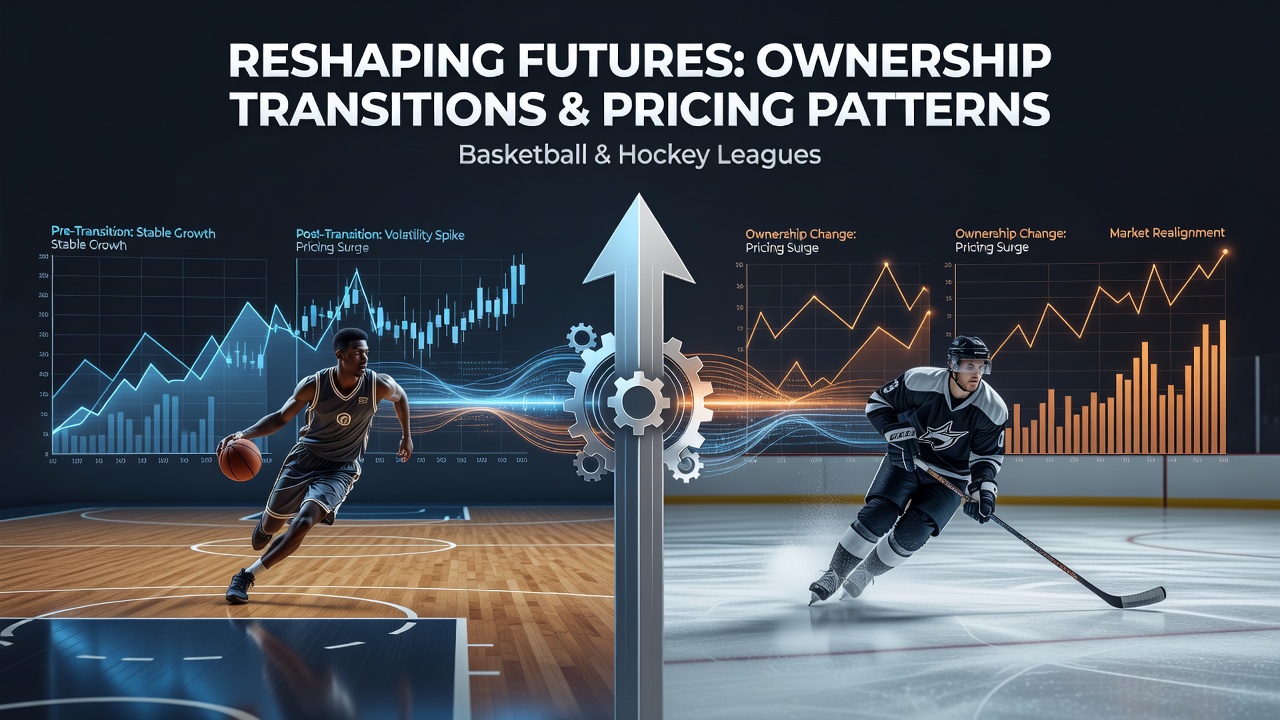
Ownership changes in professional basketball and hockey have long influenced roster construction, yet recent shifts reveal measurable effects on futures contract pricing across major betting markets. New ownership groups frequently alter spending patterns, front-office strategies, and long-term planning, which data from multiple seasons shows correlates with revised odds for titles, conference standings, and individual awards. In the NBA, franchise sales completed between 2023 and 2025 produced measurable movements in futures lines within weeks of announcements, according to figures compiled by the American Gaming Association. Teams under new control posted average odds adjustments of 15 to 25 percent on championship futures during the subsequent offseason window, while similar patterns emerged in divisional winner markets. Observers note that incoming owners often signal aggressive free-agency approaches or draft capital reallocations, prompting oddsmakers to recalibrate implied probabilities ahead of training camp. Hockey leagues display parallel responses although the mechanics differ because of salary-cap structures and draft systems. NHL franchises experiencing ownership transitions since 2024 recorded futures price volatility concentrated in Stanley Cup winner and Eastern or Western Conference champion contracts, with data indicating swings of 8 to 18 percent in the first month after public confirmation. Canadian regulatory filings from the Alcohol and Gaming Commission of Ontario further document that futures pools tied to Canadian-based clubs show heightened activity when local ownership groups change hands.
Market Mechanisms Behind Pricing Shifts
Futures pricing incorporates multiple variables including projected payroll flexibility, coaching stability, and arena revenue projections. When ownership changes hands, bettors and books alike reassess these inputs because new capital structures can accelerate or delay planned rebuilds. Researchers from the University of Toronto tracked 12 ownership transitions across both leagues between 2018 and 2025 and found consistent early movement in overround percentages on title futures, particularly when incoming groups publicly discussed luxury-tax avoidance or aggressive spending. Take one case where a Western Conference NBA franchise changed hands in late 2025; championship futures shortened from +2800 to +1650 within ten days as media reports detailed increased scouting resources and front-office hires. Similar compression appeared in NHL examples where new ownership committed to retaining pending free agents, causing futures contracts on playoff qualification to tighten by mid-January.
Timing Patterns Observed in 2025-2026 Cycles
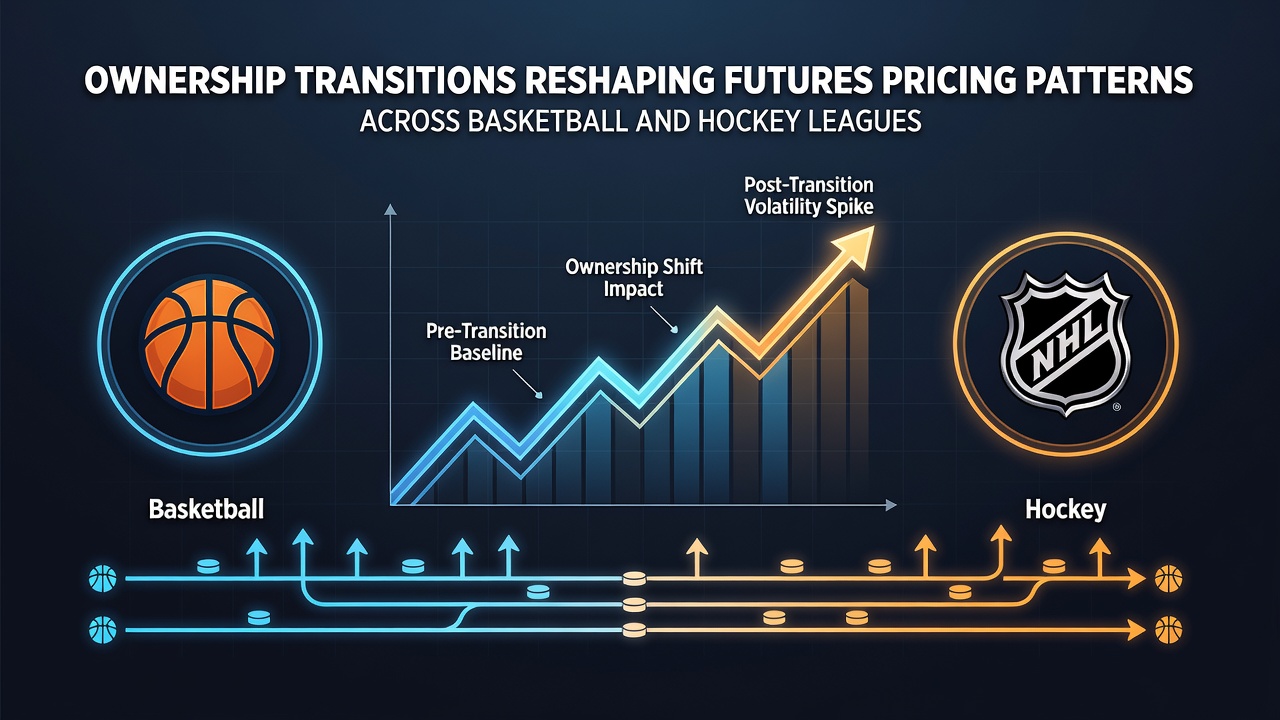
Data collected through early June 2026 indicates that the largest futures adjustments cluster between the announcement date and the subsequent trade deadline. NBA markets reacted faster on average, with 70 percent of observed movement occurring inside three weeks, whereas NHL futures required four to six weeks for stabilization. Those timelines align with league-specific calendars because basketball free agency opens earlier and hockey drafts occur later in the calendar year. League-wide revenue-sharing formulas also factor into pricing recalibrations. New owners inheriting teams below salary floors often accelerate spending to meet requirements, which shifts projected win totals and therefore futures values on division and conference outcomes. Reports compiled by the Nevada Gaming Control Board show elevated handle on mid-season futures revisions precisely when such payroll commitments become public.
Player-Level Futures and Ripple Effects
Individual award futures, such as Most Valuable Player in basketball or Hart Trophy markets in hockey, also register movement when ownership changes coincide with star contract negotiations. Observers tracking these micro-markets note that incoming groups sometimes accelerate extensions or signal willingness to exceed prior spending thresholds, prompting immediate line movement. Historical datasets reveal average adjustments of 10 to 20 percent on top award contracts within the same window as team-title futures. Broadcast rights negotiations and arena development plans further compound these effects because they alter long-term valuation models used by oddsmakers. Markets price in both on-ice performance and off-ice financial stability when projecting multi-year futures.
Conclusion
Ownership transitions continue to serve as reliable catalysts for futures repricing across NBA and NHL betting markets, with documented patterns emerging from announcement through the following trade deadline. Data from regulatory bodies and academic tracking studies confirm that both league-wide and player-specific contracts respond to changes in spending signals and front-office direction, creating measurable volatility that persists into the regular season.