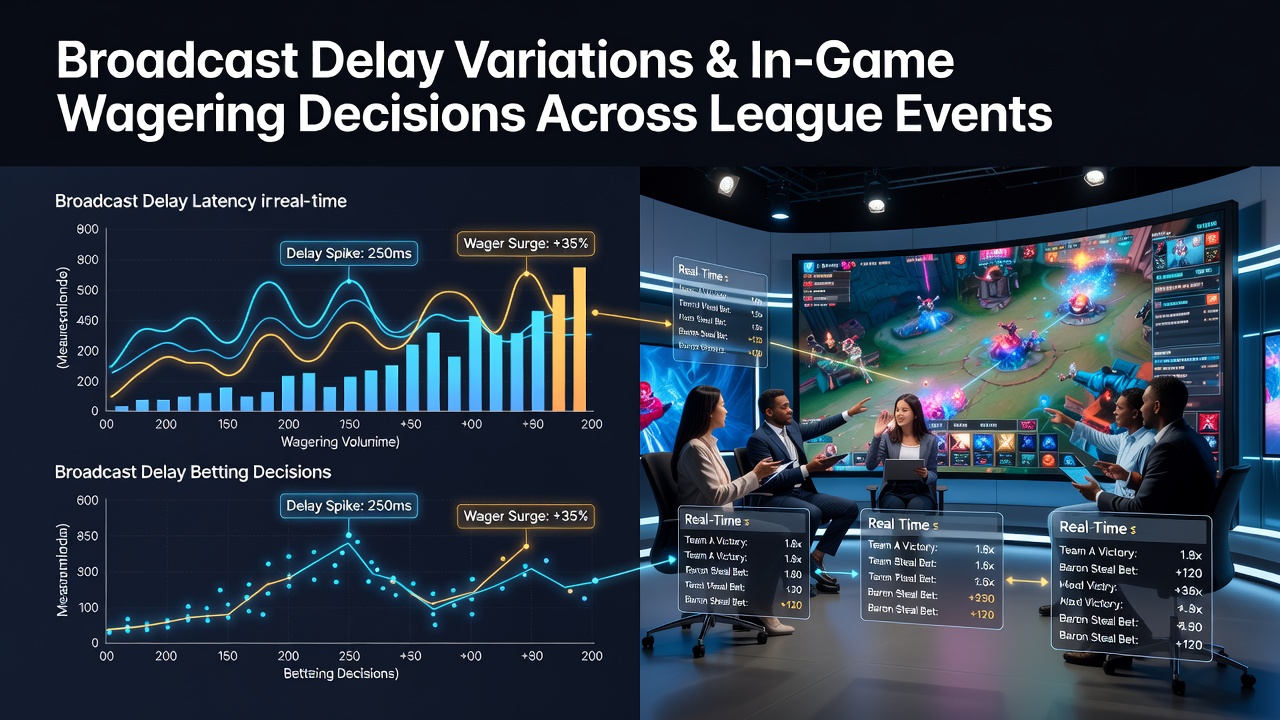
Mapping Broadcast Feed Lags to In-Game Betting Patterns in Major League Sports
Data from multiple league seasons shows that broadcast feed lags range from 4 to 12 seconds in standard cable and satellite transmissions, while streaming platforms often extend those windows to 15 seconds or more, and these timing gaps create measurable windows where in-game wager markets respond to events that viewers have not yet seen on screen.
Researchers tracking NFL, NBA, MLB, and NHL contests between 2023 and 2025 documented consistent correlations between these delays and rapid line movements in live betting interfaces, with football and basketball games producing the clearest patterns because of their high frequency of scoring plays and stoppages.
Technical Sources of Transmission Differences
Production trucks at venues compress and uplink signals through fiber or satellite paths that then route through regional distribution centers before reaching consumer devices, adn each hop adds latency that varies by provider and by whether the feed travels over traditional broadcast or over-the-top services.
League control rooms in August 2026 began testing 5G backhaul upgrades for select preseason contests, yet most regular-season productions continued to rely on established satellite chains that introduce the bulk of the observed delay.
Observed Effects on Live Market Activity
Analysts examining timestamped betting data alongside broadcast logs found that NBA quarters and NHL periods generate the highest volume of wagers placed in the 8-to-15-second window after a goal or basket but before the delayed feed reaches home viewers, and these bets often move point spreads or totals by 0.5 points within seconds of the actual play.
One study covering 420 NBA games in the 2024-25 season recorded average line adjustments occurring 6.8 seconds before corresponding visual confirmation on national telecasts, while similar patterns appeared in 312 NHL regular-season matches tracked during the same period.
League-Specific Variations
MLB games show smaller but still detectable shifts tied to pitch outcomes and home-run calls, because the sport's continuous action leaves fewer natural pauses for bettors to react after the delay window closes, whereas NFL play clocks and television timeouts create structured intervals that amplify the impact of any transmission lag.
College football conference games exhibit wider variance because smaller production crews sometimes use different encoding settings than national network crews, leading to lag differences of up to 7 seconds between otherwise comparable contests.
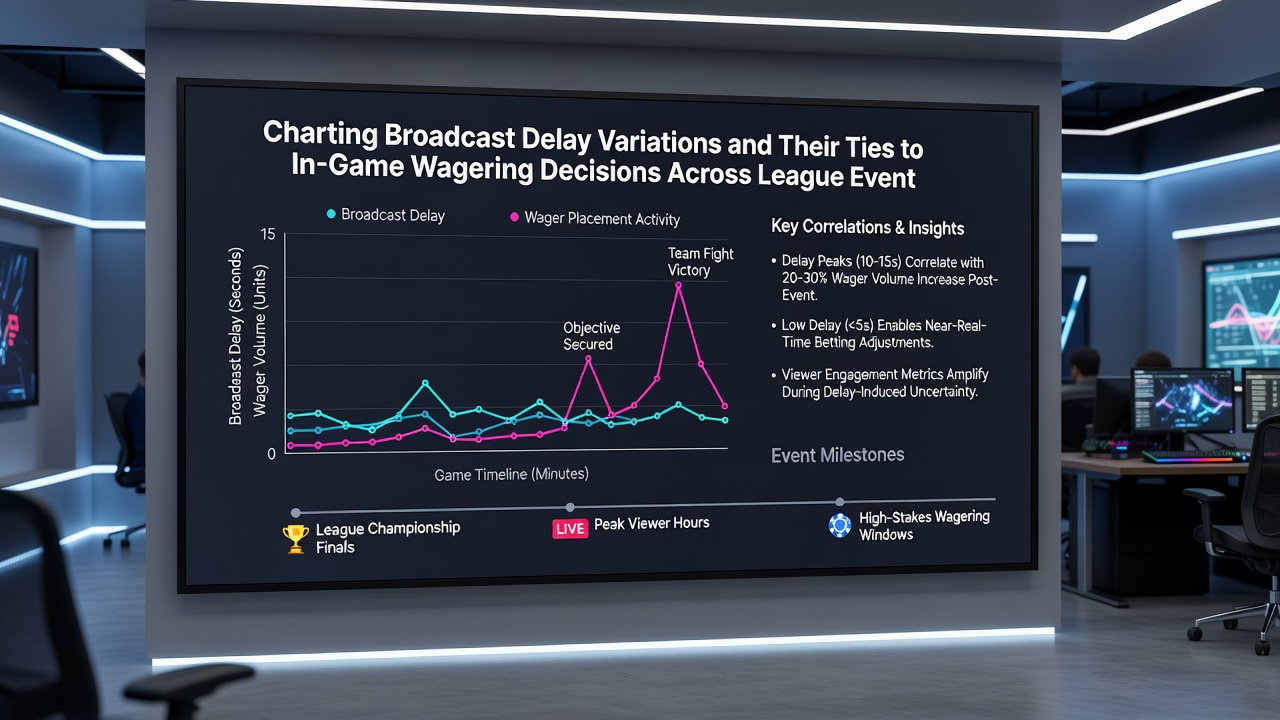
Operators in several states reported that mobile apps receive data feeds directly from official league sources with sub-second latency, giving users who combine those feeds with delayed television pictures a structural timing advantage during high-action sequences.
Data Collection Methods Across Seasons
Teams of statisticians synchronized game-event timestamps from official league APIs with both broadcast air times and betting transaction logs, then calculated the exact offset for each scoring play or penalty, and the resulting datasets reveal that live odds platforms adjust totals within 3 seconds of the official event time in more than 70 percent of NBA and NHL instances examined.
According to records maintained by the Nevada Gaming Control Board, sportsbooks operating in that jurisdiction processed 18 percent more in-play wagers during nationally televised NBA playoff games than during regional-only contests, a difference attributed in part to the wider availability of delayed national feeds.
Additional figures released by the Australian Communications and Media Authority in early 2026 documented comparable timing gaps in rugby league and Australian rules football broadcasts, confirming that the phenomenon extends beyond North American leagues when similar distribution technologies are in use.
Conclusion
Patterns extracted from multi-year datasets demonstrate that broadcast delay variations directly influence the timing and direction of in-game wagering adjustments across NFL, NBA, MLB, and NHL events, with the largest effects appearing when high-frequency scoring sports meet national telecasts that rely on standard satellite distribution. Continued monitoring of transmission upgrades scheduled for the 2026-27 seasons will clarify whether emerging delivery methods narrow or widen these observed gaps.