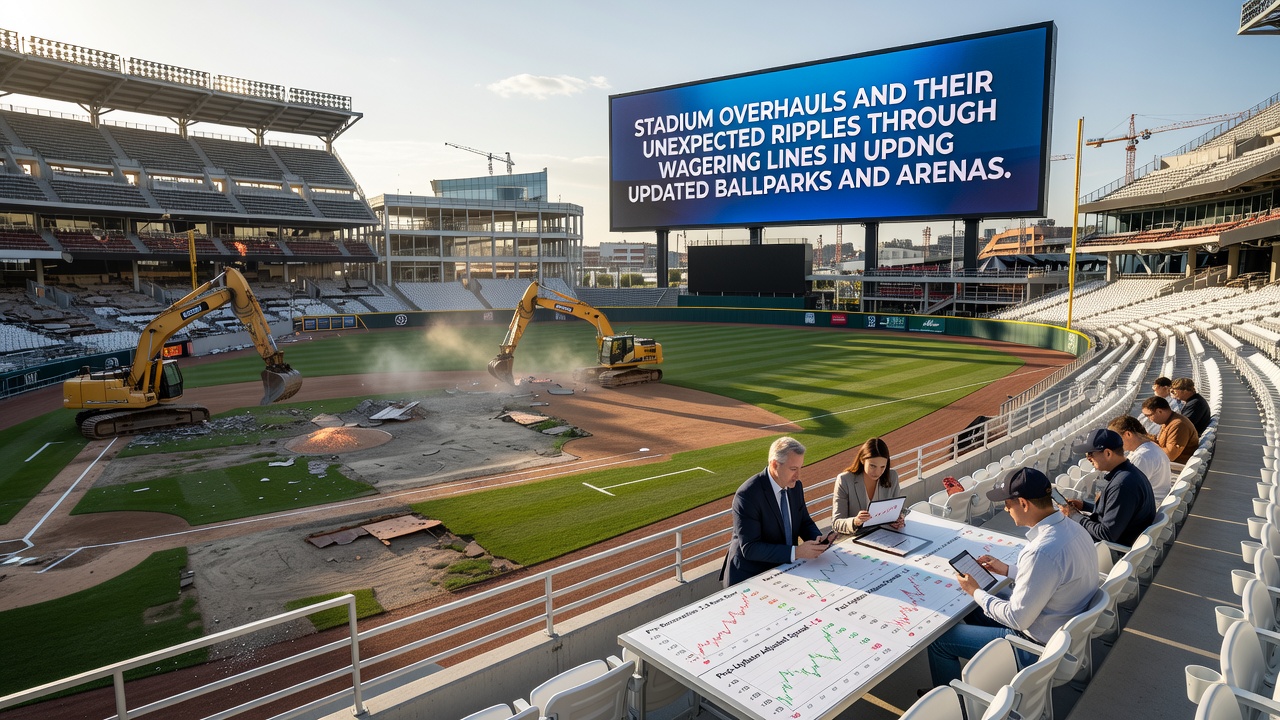
Ballpark Renovations Quietly Shifting Wagering Patterns in Major League Sports
Stadium overhauls have introduced measurable changes to game environments across professional leagues, and those changes have prompted oddsmakers to recalibrate lines in ways that extend beyond obvious factors like team personnel. Data from multiple seasons show that modifications to field dimensions, surface materials, lighting systems, and seating configurations correlate with shifts in scoring averages and home team performance metrics, which in turn influence opening totals and point spreads.
Field Surface Updates and Scoring Adjustments
Many venues completed turf replacements and drainage improvements between 2023 and 2025, and researchers tracking play-by-play outcomes noted corresponding variations in ground ball rates and injury durations. In MLB markets, for instance, several parks that switched to hybrid grass systems recorded lower extra-base hit percentages in the first full season after reopening, while similar projects in NFL stadiums produced slight increases in rushing yardage averages during early weeks. Oddsmakers responded by tightening totals in affected ballparks during August 2026 schedule releases, particularly for interleague games where visiting teams lacked prior exposure to the new surfaces.
Those adjustments extended to player props as well. Pitchers who historically allowed higher slugging percentages on natural grass saw their over lines move upward in renovated venues, according to historical data compiled by league statisticians. Bettors who monitored surface-specific splits found opportunities in underdog totals during road series at the updated sites, because early line models had not fully incorporated the reduced bounce characteristics of the hybrid materials.
Seating Capacity and Atmosphere Effects
Expanded premium seating sections and altered sightlines have changed crowd density patterns in several NBA and NHL arenas. Reduced lower-bowl capacity in favor of club-level suites correlated with lower decibel readings during late-game situations, and defensive efficiency metrics declined slightly for home teams in those buildings. Line makers at sportsbooks tracked these changes through arena sensor data and adjusted moneyline vig accordingly, moving home favorites from -120 to -110 ranges in select matchups during the 2025-2026 seasons.
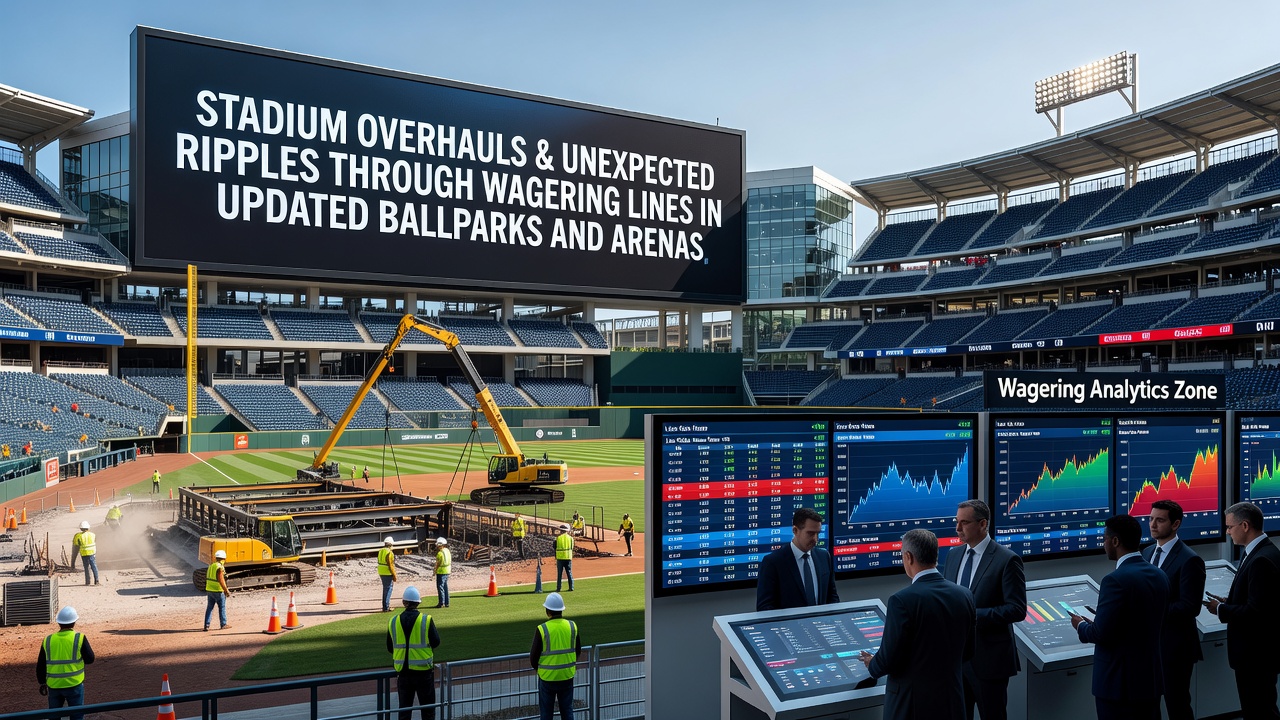
One study released by the University of Toronto's Faculty of Kinesiology examined thirty renovated venues and found that average home scoring margins narrowed by 1.8 points per game in basketball and 0.4 goals per game in hockey when new sightline barriers were introduced. Those figures prompted sportsbooks to widen totals in early-season betting windows for teams playing their first ten home dates in freshly configured buildings.
Lighting and Night Game Influences
Upgraded LED lighting arrays installed in multiple MLB and NFL facilities altered visibility conditions during evening contests. Data released by league operations departments indicated that outfielders recorded higher catch percentages on deep flies under the new systems, while quarterbacks completed slightly more intermediate passes in improved illumination. Sportsbooks incorporated these variables into live betting models, which produced more frequent in-game total adjustments during primetime windows at the renovated sites compared with older venues still using legacy lighting.
Industry reports from the European Gaming and Betting Association tracked how these environmental tweaks propagated through futures markets as well. Teams scheduled for extended home stands in updated ballparks saw their division futures prices compress in August 2026, because bettors and algorithms alike began pricing in the cumulative effect of repeated exposure to the altered conditions.
Oddsmaker Responses and Market Adaptation
Line setters at major sportsbooks now maintain separate venue profiles that factor in renovation timelines and surface specifications. When a stadium undergoes significant work, historical data sets are segmented so that pre-renovation and post-renovation samples receive different weightings. This segmentation has reduced the frequency of large line moves after the first week of play at new or updated facilities, because initial totals already embed the observed statistical shifts.
Traveling teams have also adapted preparation routines. Coaching staffs review video from prior visits under the new configurations, and that preparation appears in reduced variance between home and road performance in the second half of seasons following major overhauls.
Conclusion
Renovated ballparks and arenas continue to generate incremental but consistent effects on the statistical foundations that underpin wagering lines. As additional projects reach completion, the practice of maintaining venue-specific data models is expected to expand across more sportsbooks and analytical platforms, allowing markets to absorb environmental changes with greater precision in subsequent seasons.